

Child Grinding Teeth at Night: Causes, Symptoms, Treatment & Prevention
If you’ve ever heard a strange grinding sound coming from your child’s bedroom, you’re not alone. Child grinding teeth at night is a common concern for many parents. Hearing the noise can be unsettling, leaving you wondering whether your child is in pain or if their teeth are being damaged.
The good news is that child grinding teeth at night, also known as sleep bruxism, is very common during childhood. Many children outgrow the habit as their teeth and jaws develop. However, persistent grinding can sometimes wear down tooth enamel, cause jaw discomfort, trigger headaches, and even affect sleep quality.
Understanding why child grinding teeth at night happens, recognizing the warning signs, and knowing when to seek professional care can help protect your child’s smile and prevent long-term dental problems.
At Toothmate Kids Dental, we help families throughout Santa Rosa, CA, identify and manage childhood bruxism through gentle, comprehensive kids dental care.
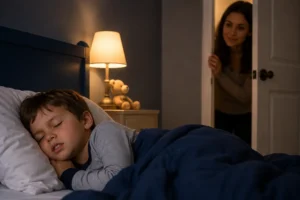
What Is Child Grinding Teeth at Night?
Child grinding teeth at night, medically known as sleep bruxism, occurs when children unconsciously clench or grind their upper and lower teeth together while sleeping. Some children may also clench their teeth during the day, but nighttime grinding is significantly more common.
Grinding may occur occasionally or every night. Some children produce loud grinding sounds that parents easily hear, while others have silent bruxism that is only discovered during a routine dental examination.
Although child grinding teeth at night is often harmless, frequent grinding can gradually wear down tooth enamel and affect jaw development if left untreated.
Routine dental checkups help identify early signs before permanent damage occurs. Visit our homepage to learn more about our approach to preventive kids care.
Is Child Grinding Teeth at Night Normal?
Yes.
Many children grind their teeth while sleeping, particularly between the ages of 3 and 10, when baby teeth are erupting or permanent teeth are beginning to emerge.
Research suggests that childhood bruxism affects a significant number of children, and most naturally outgrow the condition as their bite develops.
However, frequent or severe grinding should always be evaluated by a kids dentist to ensure it is not causing damage or related to another underlying condition. The team at Toothmate Kids Dental is here to help.
7 Proven Causes of Child Grinding Teeth at Night
Understanding the cause of child grinding teeth at night is the first step toward choosing the most appropriate treatment.
1. Stress and Anxiety
Stress is one of the most common reasons children grind their teeth while sleeping.
Even positive excitement can increase muscle activity during sleep.
Common causes include:
- Starting a new school
- Exams
- Family changes
- Moving house
- Sports pressure
- Emotional stress
- Fear or anxiety
Creating a calm bedtime routine often reduces nighttime grinding.
2. Growing Teeth and Jaw Development
As children’s mouths grow, their bite changes frequently.
When baby teeth erupt or permanent teeth replace primary teeth, the jaw naturally adjusts.
During this stage, temporary child grinding teeth at night is considered normal and usually disappears once the bite stabilizes.
This commonly occurs between ages 3–10 years.
3. Bite Misalignment
Sometimes the upper and lower teeth don’t fit together correctly.
This is called malocclusion.
Children may unconsciously grind their teeth while sleeping as their jaw attempts to find a comfortable resting position.
Your kids dentist can evaluate:
- Bite alignment
- Tooth position
- Jaw growth
- Orthodontic development
Early detection can prevent future complications.
4. Sleep Disorders
Studies have found a relationship between child grinding teeth at night and certain sleep disorders.
Examples include:
- Snoring
- Restless sleep
- Obstructive sleep apnea
- Frequent waking
- Mouth breathing
If your child snores heavily or appears tired during the day, discuss these symptoms with both your child’s doctor and kids dentist.
5. Hyperactive Jaw Muscles
Some children naturally have stronger jaw muscle activity while sleeping.
This can increase clenching even when no dental problems are present.
Fortunately, this often improves as children grow older.
6. Medical Conditions or Certain Medications
Although uncommon, some neurological conditions and medications may contribute to childhood bruxism.
Your kids dentist will review your child’s:
- Medical history
- Current medications
- Sleep patterns
- Dental development
If necessary, they may recommend additional evaluation.
7. Genetics
Research suggests that child grinding teeth at night may run in families.
If one or both parents experienced bruxism during childhood, their children may have a higher likelihood of developing the habit.
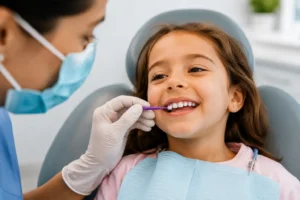
Fluoride treatment for kids at a kids dental clinic in Santa Rosa
Signs and Symptoms of Child Grinding Teeth at Night
Parents often discover the condition because they hear grinding noises while their child sleeps.
Other common symptoms include:
- Grinding or clicking sounds
- Worn baby teeth
- Flattened chewing surfaces
- Tooth sensitivity
- Jaw pain
- Jaw stiffness
- Facial soreness
- Morning headaches
- Ear pain without infection
- Difficulty chewing
- Chipped teeth
- Interrupted sleep
- Jaw fatigue after waking
Some children experience no symptoms at all, making routine dental examinations especially important.
Can Child Grinding Teeth at Night Damage Teeth?
Occasional grinding rarely causes lasting problems.
However, persistent child grinding teeth at night can lead to:
- Worn enamel
- Chipped teeth
- Cracked teeth
- Tooth sensitivity
- Jaw pain
- Bite changes
- Damage to fillings or crowns
- TMJ discomfort
- Increased dental treatment needs
The earlier bruxism is identified, the easier it is to prevent permanent damage.
How Is Child Grinding Teeth at Night Diagnosed?
At Toothmate Kids Dental, diagnosing child grinding teeth at night begins with a comprehensive kids dental examination.
Your child’s dentist will evaluate:
- Tooth wear patterns
- Bite alignment
- Jaw tenderness
- Tooth fractures
- Enamel loss
- Jaw development
- Oral habits
- Sleep history
Parents may also be asked about:
- Snoring
- Nighttime grinding sounds
- Morning headaches
- Stress or anxiety
- Sleep quality
After identifying the cause, your kids dentist will recommend the most appropriate treatment plan based on your child’s age, symptoms, and overall oral health.
Treatment for Child Grinding Teeth at Night
The treatment for child grinding teeth at night depends on the underlying cause, your child’s age, and the severity of the condition. Many children naturally outgrow bruxism as their teeth and jaws develop. However, if grinding is frequent or causing damage, early intervention can help protect your child’s smile.
1. Regular Monitoring
In many cases, no immediate treatment is necessary. If your child is not experiencing pain or significant tooth wear, your kids dentist may simply monitor the condition during routine dental checkups.
Regular monitoring allows your dentist to:
- Check for changes in tooth wear
- Evaluate jaw growth and development
- Monitor bite alignment
- Identify signs of enamel damage
- Recommend treatment if the condition worsens
2. Stress Management
If stress or anxiety is contributing to child grinding teeth at night, reducing bedtime stress may help minimize grinding episodes.
Helpful bedtime habits include:
- Reading a favorite book before bed
- Limiting screen time at least one hour before bedtime
- Listening to calming music
- Practicing deep breathing or relaxation exercises
- Maintaining a consistent bedtime routine
- Ensuring your child gets enough sleep each night
A calm bedtime environment can improve sleep quality and reduce nighttime muscle activity.
3. Bite Evaluation and Orthodontic Assessment
When bite misalignment contributes to child grinding teeth at night, your kids dentist will evaluate your child’s developing bite.
If necessary, they may recommend:
- Monitoring jaw growth
- Orthodontic consultation
- Early interceptive orthodontic treatment
- Bite adjustments when appropriate
Correcting bite issues early may reduce unnecessary wear on developing teeth.
4. Custom Night Guards
For older children with moderate to severe tooth wear, a custom-made night guard may be recommended.
A professionally fitted night guard can:
- Protect tooth enamel
- Reduce wear on permanent teeth
- Minimize jaw strain
- Prevent fractures and chips
Night guards should only be used under the guidance of a kids dentist, as growing children require carefully monitored treatment.
5. Treating Underlying Sleep Disorders
If sleep apnea, chronic snoring, or another sleep disorder is suspected, your child may be referred to a child’s doctor or sleep specialist.
Treating the underlying sleep condition often helps reduce child grinding teeth at night.

Can Child Grinding Teeth at Night Be Prevented?
Although child grinding teeth at night cannot always be prevented, healthy daily habits may reduce its frequency and severity.
Encourage your child to:
- Brush twice daily with fluoride toothpaste
- Floss every day
- Drink plenty of water
- Eat a balanced diet rich in calcium and vitamin D
- Avoid chewing pencils, ice, or hard objects
- Limit sugary snacks before bedtime
- Maintain a consistent sleep schedule
- Attend regular dental checkups every six months
These habits support healthy teeth, proper jaw development, and better overall oral health.
When Should Parents See a Kids Dentist?
Schedule a dental appointment if your child:
- Frequently grinds their teeth at night
- Complains of jaw pain or facial soreness
- Has chipped, cracked, or worn teeth
- Experiences tooth sensitivity
- Suffers from frequent morning headaches
- Snores heavily or has interrupted sleep
- Has difficulty chewing
- Develops changes in their bite
Prompt evaluation allows your kids dentist to diagnose the problem early and recommend the most appropriate treatment.
Why Regular Dental Visits Matter
Routine dental visits are one of the most effective ways to identify child grinding teeth at night before it causes permanent damage.
During your child’s dental checkup, the kids dentist will:
- Examine tooth wear
- Assess jaw growth
- Check bite alignment
- Evaluate oral hygiene
- Monitor tooth eruption
- Discuss sleep habits
- Recommend preventive care
Early diagnosis often prevents more extensive and costly dental treatment in the future.
Family visiting kids dentist for fluoride treatment in Santa Rosa

Frequently Asked Questions
Is child grinding teeth at night normal?
Yes. Teeth grinding is common during childhood, especially between the ages of 3 and 10. Most children naturally outgrow the habit.
At what age is child grinding teeth at night most common?
It is most common between ages 3 and 10, when baby teeth are erupting and permanent teeth begin developing.
Can stress cause child grinding teeth at night?
Yes. Stress, anxiety, excitement, and changes in routine are among the most common triggers for childhood bruxism.
Will grinding damage my child’s baby teeth?
Occasional grinding is usually harmless. However, persistent grinding may wear down enamel and should be evaluated by a kids dentist.
Does my child need a night guard?
Not always. Night guards are generally recommended only when significant tooth wear or jaw discomfort is present.
Can dehydration cause teeth grinding?
Although research is limited, dehydration may contribute to muscle tension in some children. Keeping your child hydrated supports overall health.
Is teeth grinding hereditary?
Yes. Children with a family history of bruxism may have a higher risk of developing the condition.
Should I wake my child if they are grinding their teeth?
No. Waking your child is generally not recommended. Instead, schedule a dental evaluation if grinding is frequent or severe.
Can sleep apnea cause child grinding teeth at night?
Yes. Some children with obstructive sleep apnea or chronic snoring also experience nighttime teeth grinding.
How long does childhood bruxism last?
Most children stop grinding their teeth naturally as their jaws and permanent teeth develop.
Protect Your Child’s Smile with Expert Kids Dental Care
If you’ve noticed child grinding teeth at night, don’t ignore the signs. While many children naturally outgrow bruxism, persistent grinding can lead to tooth wear, jaw discomfort, and long-term dental problems if left untreated.
At Toothmate Kids Dental, our experienced kids dental team provides gentle, compassionate, and comprehensive care for children of all ages. We carefully evaluate your child’s teeth, bite, and jaw development to determine the cause of nighttime grinding and recommend the most effective treatment plan.
Whether your child needs routine monitoring or specialized care, we’re here to help keep their smile healthy, comfortable, and growing strong.
Schedule Your Child’s Appointment Today
Toothmate Kids Dental
1221 Farmers Lane, Suite 500
Santa Rosa, CA 95405
Phone: (707) 385-1318
Email: info@toothmatekidsdental.com